उत्पाद का परिचय
आधुनिक स्वचालित पैकेजिंग लाइनों में, स्टील सब्सट्रेट की रासायनिक शुद्धता और सतह वास्तुकला अंतिम कंटेनर की परिचालन उपज तय करती है।हमारे एमआर ग्रेड टिनप्लेट शीट और कॉइल श्रृंखला इन कठोर तकनीकी शर्तों को पूरा करने के लिए ठीक से इंजीनियर कर रहे हैंएमआर (धातुशिल्प अवशेष) इस्पात रसायन कंटेनर उत्पादन के लिए वैश्विक आधार रेखा का प्रतिनिधित्व करता है, जिसमें अधिकतम संरचनात्मक विश्वसनीयता सुनिश्चित करने के लिए असाधारण रूप से कम ट्रेस तत्वों का स्तर है।एक परिष्कृत ठंडे रोलिंग प्रक्रिया के माध्यम से इसके बाद निरंतर इलेक्ट्रोलाइटिक टिन जमाव, कम कार्बन वाले स्टील को एक उच्च रक्षा पैकेजिंग सामग्री में बदल दिया जाता है।यह संरचित संरचना एक बहुस्तरीय ढाल प्रदान करती है जो कच्चे स्टील को आक्रामक आंतरिक सूत्रों और आर्द्र वातावरण से अलग करती है.
मुख्य रूप से एक उच्च गति खाद्य डिब्बे सामग्री के रूप में कार्य करने के लिए अनुकूलित, इस विशेष ग्रेड एक विशेष सूक्ष्म बनावट मैट खत्म के साथ संसाधित किया जाता है।बनावट सतह प्रोफाइल त्वचा-पास कोल्ड रोलिंग चरण के दौरान शॉट-ब्लास्ट काम रोल से एक नियंत्रित पैटर्न के हस्तांतरण द्वारा बनाया जाता हैयह अद्वितीय सतह उपचार तेल प्रतिधारण में काफी सुधार करता है, स्वचालित फ़ीडिंग के दौरान शीट-टू-शीट घर्षण को समाप्त करता है, और लेक आसंजन के लिए एक आदर्श सतह संरचना प्रदान करता है।क्या उच्च अम्लीय खाद्य संरक्षित करने के लिए इस्तेमाल किया, रासायनिक एयरोसोल कंटेनर, गहरे खींचने तीन टुकड़े डिब्बे, या भारी शुल्क घुमावदार बंद ढक्कन, इस सामग्री शून्य रासायनिक प्रवास, पूर्ण शेल्फ स्थिरता सुनिश्चित करता है,और विस्तारित भंडारण जीवन चक्रों पर पर्यावरण की गिरावट के लिए कुल प्रतिरोध.
मुख्य उत्पाद विशेषताएं और सतह वास्तुकला
हमारे एमआर-ग्रेड मैट-फिनिश स्टील का फील्ड प्रदर्शन सटीक धातु विज्ञान मानकों और उन्नत सतह रसायन द्वारा संचालित किया जाता हैः
-
एमआर-ग्रेड रासायनिक शुद्धताः बेस स्टील में न्यूनतम अवशिष्ट अशुद्धियां (जैसे तांबा, निकल या क्रोमियम) होती हैं।यह सटीक रासायनिक नियंत्रण आंतरिक उत्पाद जंग के खिलाफ बेहतर जंग प्रतिरोध प्रदान करता है, जिससे यह भोजन के प्रत्यक्ष संपर्क के लिए अत्यधिक सुरक्षित है।
-
माइक्रो-टेक्स्चर मैट फिनिशः गैर-रिफ्लेक्टीव सतह एक इष्टतम बनावट प्रदान करती है जो सुरक्षात्मक लेक और लिथोग्राफिक स्याही को पकड़ती है और पकड़ती है। इससे लेक के रेंगने का खतरा समाप्त हो जाता है,पिनहोल, या उच्च तापमान बेकिंग चक्रों के दौरान सतह विच्छेदन।
-
संतुलित लचीलापन और स्टैम्पिंग उपजः नियंत्रित दिशात्मक अनाज संरेखण के साथ इंजीनियर, चादरें गहरी ड्राइंग, विस्तार,और तेज यांत्रिक घुमाव के बिना पीड़ित स्थानीयकरण गर्दन, नारंगी की छिलके के दोष, या संरचनात्मक फ्रैक्चर।
-
बहु-चरण रासायनिक निष्क्रियताः टिनिंग के बाद, सामग्री को अकार्बनिक क्रोमियम निष्क्रियता उपचार से गुजरता है। इससे एक निष्क्रिय बाधा फिल्म बनती है जो नमी और परिवेश ऑक्सीजन को रोकती है,लंबी दूरी के समुद्री पारगमन के दौरान पीले रंग के दागों के ऑक्सीकरण और परिवेश जंग के गठन को रोकना.
निर्माताओं के लिए रणनीतिक मुख्य लाभ
हमारे एमआर-ग्रेड टिनप्लेट शीट उत्पादों को चुनने से उच्च गति वाले डिब्बे बनाने के कार्यों के लिए विशिष्ट परिचालन लाभ प्राप्त होते हैं।मुख्य लाभ सामग्री के उत्कृष्ट आकार नियंत्रण और सपाटता स्थिरता से आता हैप्रत्येक बैच में उन्नत कम्प्यूटर नियंत्रित तनाव-नीवलिंग होती है, जिससे शून्य किनारा-लहर या केंद्र-बुकल के साथ पूरी तरह से सपाट शीट सुनिश्चित होती है।इस आकार स्थिरता स्वचालित उपकरणों पर दोहरी चादरें खिला गलतियों को रोकता है, लाइन स्टॉप को कम करता है, और उच्च गति वाले स्टैम्पिंग प्रेस और स्क्रॉल कैंची पर उपकरण पहनने को कम करता है।
इसके अतिरिक्त, सूक्ष्म बनावट वाली मैट सतह उत्कृष्ट हैंडलिंग सुरक्षा प्रदान करती है।मानक उज्ज्वल परिष्करण उच्च गति चुंबकीय ले जाने और यांत्रिक स्टैकिंग के दौरान सतह खरोंच और खरोंच के लिए अत्यधिक संवेदनशील हैंमैट बनावट शारीरिक संपर्क तनाव को फैलाती है, जिससे शीट अत्यधिक खरोंच प्रतिरोधी होती है और पूरे प्रिंटिंग और मोल्डिंग अनुक्रम के दौरान धातु की साफ उपस्थिति को संरक्षित करती है।जब खाद्य पदार्थों के डिब्बे के रूप में इस्तेमाल किया जाता है, उच्च शुद्धता वाली टिन परत एक सक्रिय बलिदान एनोड के रूप में कार्य करती है, जिसका अर्थ है कि भले ही निर्माण के दौरान आंतरिक लेक परत खरोंच हो, टिन स्टील कोर से पहले जंग खाएगा,विनाशकारी कंटेनर लीक या उत्पाद की संदूषण को रोकने के लिए.
तकनीकी विनिर्देश मैट्रिक्स
| तकनीकी पैरामीटर |
विनिर्देश रेंज और औद्योगिक मानक |
| सामग्री आधार फॉर्म |
इलेक्ट्रोलाइटिक टिनप्लेट (एसपीटीई) शीट और कॉइल फॉर्म |
| स्टील केमिकल ग्रेड |
एमआर ग्रेड (कम अवशिष्ट धातु विज्ञान ट्रेस तत्व) |
| सतह परिष्करण शैली |
मैट फिनिश (शॉट-ब्लास्ट रोल बनावट, गैर परावर्तक) |
| सामग्री की मोटाई |
0.15 मिमी ∙ 0.46 मिमी |
| उपलब्ध शीट चौड़ाई |
600 मिमी 1050 मिमी |
| कट शीट की लंबाई |
610 मिमी ️ 1200 मिमी |
| टिन कोटिंग मास (जी/एम2) |
1.1/1.1, 2.2/2.2, 2.8/2.8, 5.6/5.6, 2.8/5.6 |
| मैकेनिकल टेम्परेचर क्लास |
T1, T2, T3, T4, T5 (बैच एनील्ड / लगातार एनील्ड) |
| लागू मानक |
ISO 11950:1995, JIS G3303, ASTM A623 अनुपालन |

अक्सर पूछे जाने वाले प्रश्न (FAQ)
प्रश्न 1: एमआर-ग्रेड स्टील केमिकल को खाद्य कंटेनरों के निर्माण के लिए क्या विशेष रूप से उपयुक्त बनाता है?
A1: MR (मेटलर्जिकल रेसिड्यूअल) ग्रेड स्टील को विशेष रूप से तांबे और निकल जैसे अवशिष्ट अशुद्धियों के बहुत कम स्तर के साथ तैयार किया गया है।यह रासायनिक शुद्धता कार्बनिक खाद्य एसिड और नमकीन से आंतरिक संक्षारण के लिए उत्कृष्ट प्रतिरोध प्रदान करती हैयह यह सुनिश्चित करता है कि जब खाद्य डिब्बे की सामग्री के रूप में उपयोग किया जाता है, तो स्टील कोर सामग्री के साथ प्रतिक्रिया नहीं करेगा, शेल्फ जीवन विफलताओं को रोकता है और मूल उत्पाद स्वादों को संरक्षित करता है।
Q2: चमकीले फिनिश की तुलना में मैट फिनिश का चयन करने के मुख्य प्रसंस्करण लाभ क्या हैं?
A2: एक मैट फिनिश में एक माइक्रो-टेक्स्चर सतह होती है जो लेक और स्याही चिपकने में काफी सुधार करती है, मछली की आंखों या स्याही के रेंगने जैसे सतह दोषों को पूरी तरह से समाप्त करती है।बनावट सतह मैकेनिकल खिला के दौरान घर्षण का एक कम गुणांक प्रदान करता है, जो शीट चिपकने से रोकता है, स्वचालित उत्पादन लाइनों पर खरोंच को कम करता है, और उपकरण सतहों को समय से पहले पहनने से बचाता है।
Q3: क्या ये मैट-फिनिश शीट उच्च तापमान रिटॉर्ट नसबंदी प्रक्रियाओं को संभाल सकती हैं?
उत्तर: हां, निश्चित रूप से। एमआर-ग्रेड स्टील, साफ टिन-प्लेट और एक निष्क्रिय मैट सतह का संयोजन असाधारण थर्मल स्थिरता प्रदान करता है।जब खाद्य-सुरक्षित आंतरिक लेक (जैसे ऑर्गेनोसोल या एपॉक्सी-फेनोलिक्स) के साथ लेपित हो, बनावट वाली सतह यह सुनिश्चित करती है कि कार्बनिक कोटिंग कसकर बंधे रहे, वाणिज्यिक भाप नसबंदी (१२१ डिग्री सेल्सियस से ऊपर के तापमान तक पहुंचने) के दौरान फोड़े, छीलने या दरार को रोकें।
प्रश्न 4: आप इन चादरों को अंतरराष्ट्रीय शिपिंग के दौरान पारगमन जंग और भौतिक क्षति से कैसे बचाते हैं?
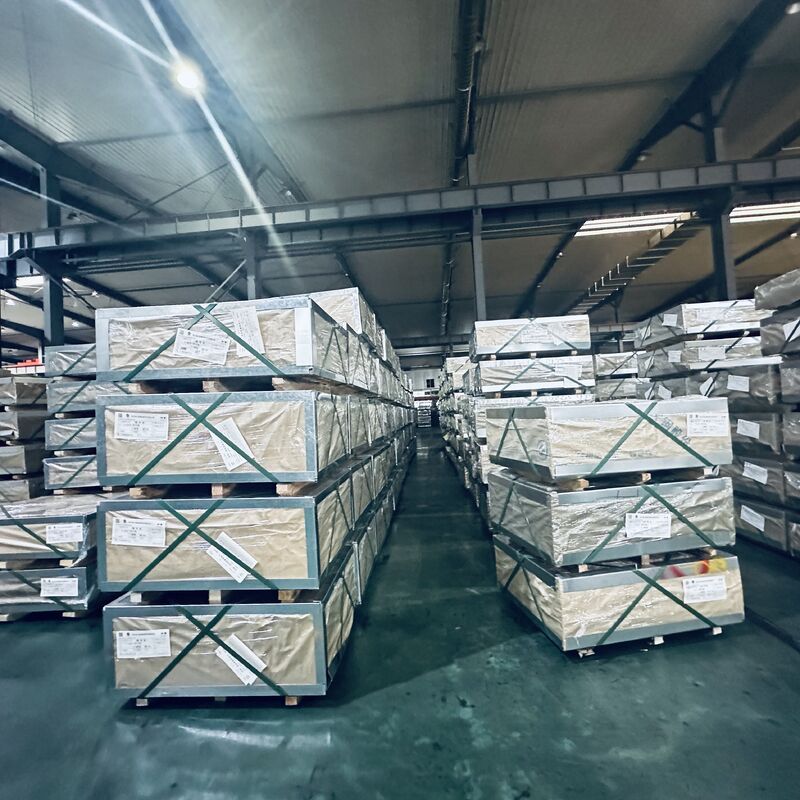
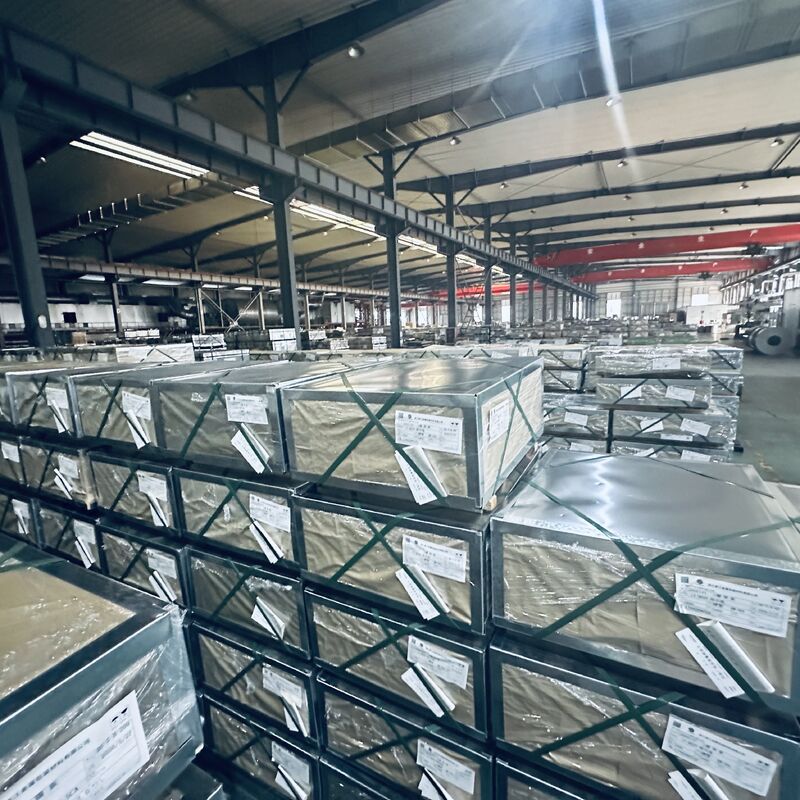
A4: प्रत्येक शीट पैक को नमी-रोकने वाले वाष्प-संक्षारण-रोधी (VCI) एंटी-रस्ट पेपर से सावधानीपूर्वक लपेटा जाता है और एक पूर्ण संरचनात्मक स्टील बाहरी खोल के अंदर संलग्न किया जाता है।पूरे बंडल कठोर इस्पात कोने गार्ड के साथ सुसज्जित है, उच्च तन्यता वाले स्टील के बैंडों से सुरक्षित, और निर्यात के अनुरूप प्रबलित, धूम्रपान किए गए लकड़ी के पैलेट पर कसकर लॉक किया जाता है ताकि यह सुनिश्चित किया जा सके कि सामग्री पूरी तरह से सूखी और खरोंच मुक्त हो।


 आपका संदेश 20-3,000 अक्षरों के बीच होना चाहिए!